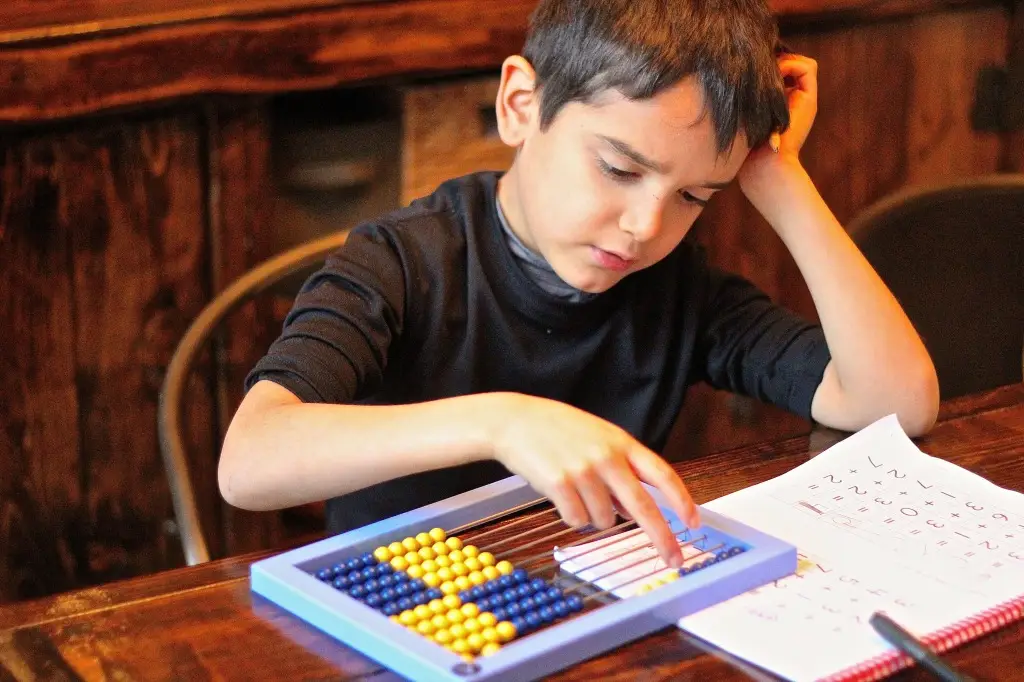
For generations, learning math facts has often meant the same thing: flash cards, timed tests, and endless repetition.
If that description makes you cringe a little, you’re not alone.
Many adults can still remember the anxiety of racing against a timer, hoping they could recall an answer before time ran out. Unfortunately, those experiences have led many children – and adults! – to believe that the end goal for mathematics is to memorizing facts as quickly as possible.

But what if there is a better way?
At RightStart Mathematics, we believe that math facts should be learned through understanding, visualization, and strategy. Rather than forcing children to memorize seemingly isolated facts, we help them develop number sense so they can think mathematically and confidently solve problems.
Dr. Joan A. Cotter has long advocated for teaching facts through strategies instead of rote memorization, and the results speak for themselves. Children who understand numbers become more flexible, confident, and successful mathematicians.
Understanding Before Memorizing
Think about this question:
What is 7 + 3?
Many people immediately answer 10. But how did you get there?
Did you memorize the fact years ago? Or did you instantly recognize that 7 needs 3 more to make 10?
For many adults, it is difficult to separate memorization from understanding because we have been using these facts for so long. Yet for children, the distinction matters greatly.
A child who understands that 7 is really 5 and 2 can see that adding 3 more creates another group of 5, resulting in 10.
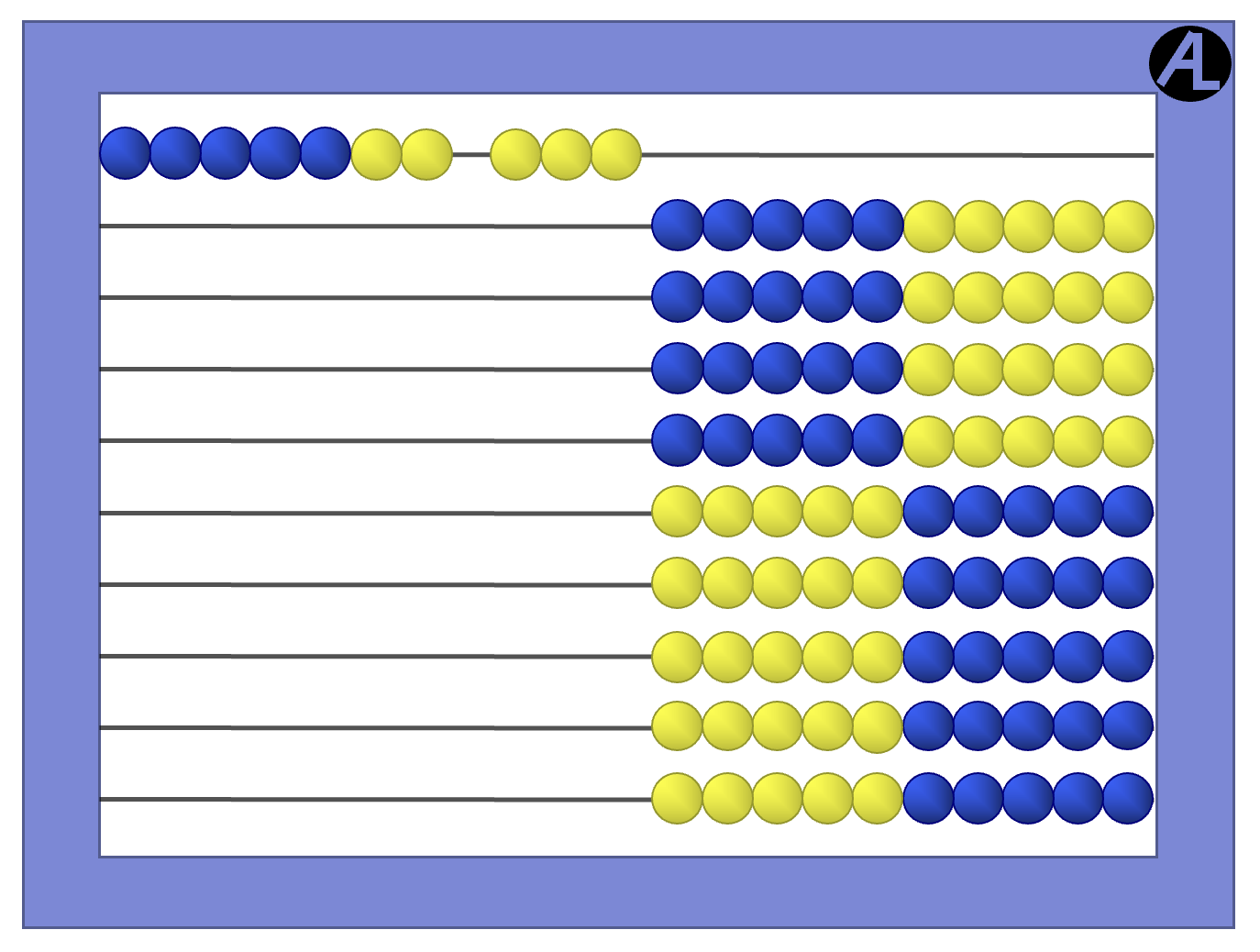
This child is thinking about quantities and relationships rather than recalling a memorized string of symbols. This child understands what 7 is: 5 and 2 more.
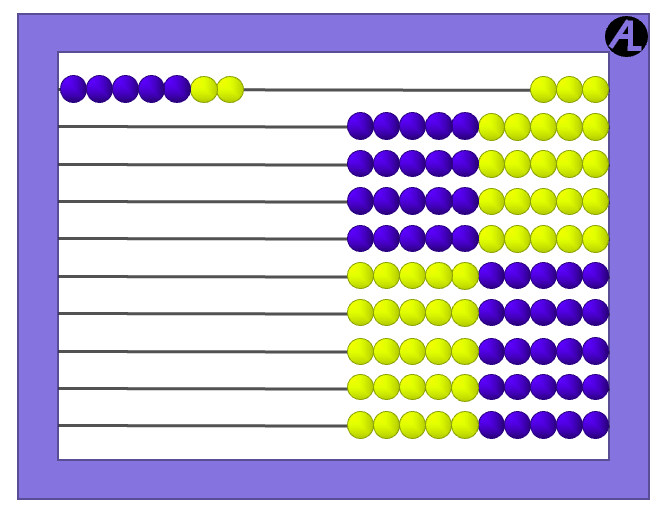
And this child sees that 7 and 3 more make a total of 10.
This kind of mathematical thinking creates a much stronger foundation than simple memorization.
Why Grouping in Fives Matters
Before children can use addition strategies effectively, they need to recognize quantities quickly. One of the most important skills is learning to see numbers grouped in fives.
After all, we have five fingers on each hand. Grouping by fives is natural and efficient.

Instead of seeing seven as seven individual objects, children learn to see it as five and two more, just like our hands.

Instead of seeing eight as eight separate items, they see five and three more.

This ability to recognize quantities without counting is a critical building block for arithmetic. Once children can visualize quantities in groups, addition becomes far easier.
The Power of Simple Strategies
One of Dr. Cotter’s favorite approaches is teaching children to rearrange quantities mentally.
For example, consider 4 + 3.
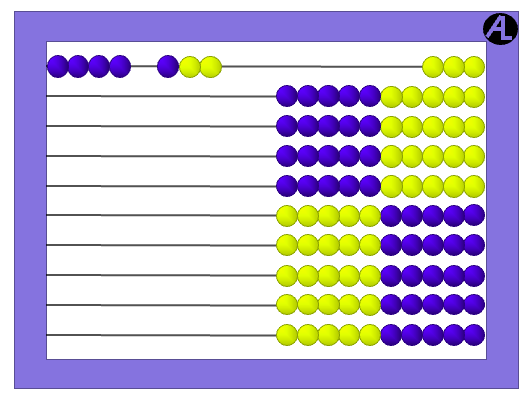
Rather than counting one by one, a child can move 1 from the 3, give it to the 4, creating 5 and 2. Since 5 and 2 are easy to recognize, the answer is clearly 7.
Another powerful strategy is the Two Fives Strategy.
Let’s solve 7 + 6.
Start by thinking of 7 grouped in fives: it is the same as 5 and 2.
Then, think of 6 grouped in fives: it is 5 and 1.
Here is 7 entered on the first row on the Cotter Abacus and 6 entered on the second row.
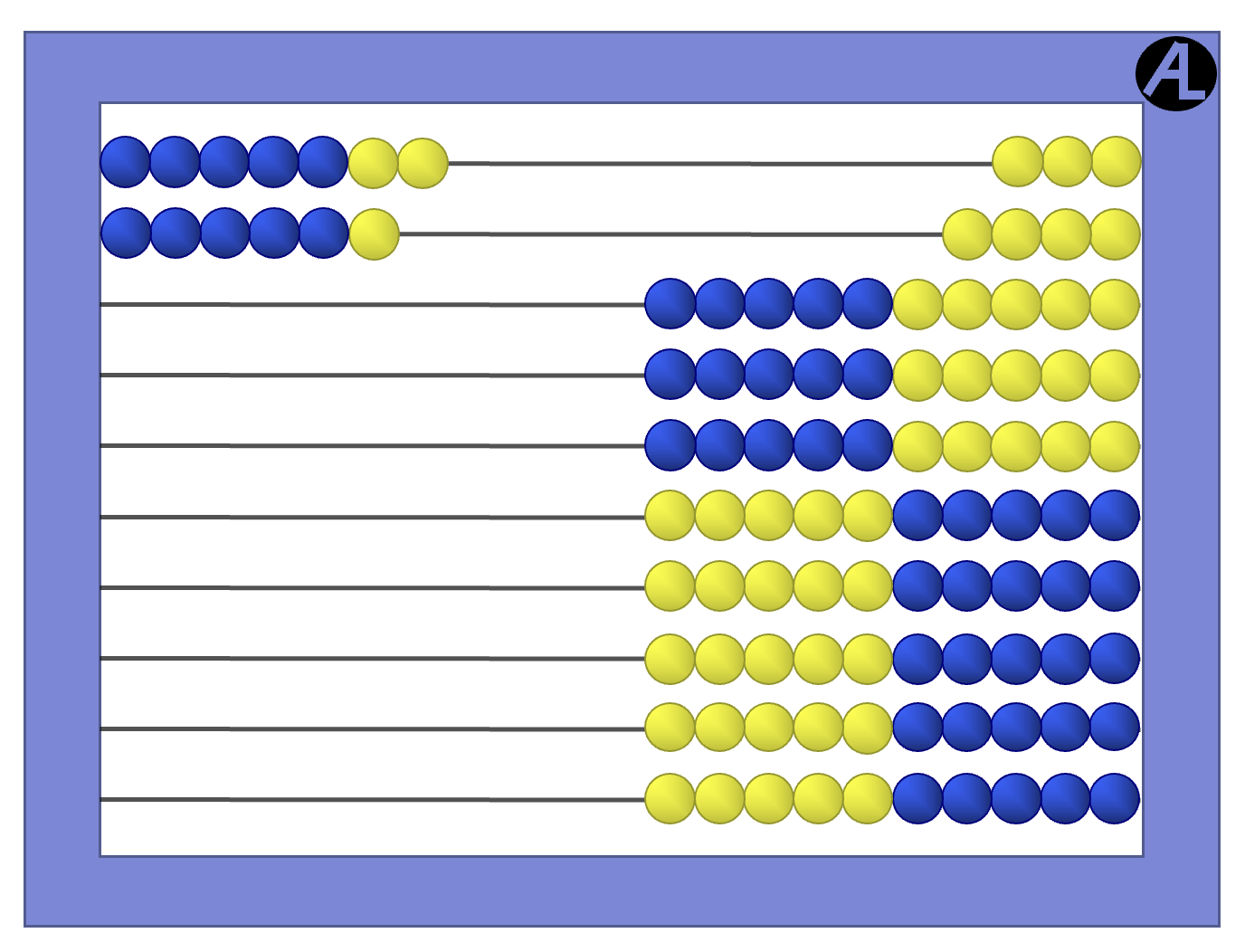
Can you see the answer?
Combine the two groups of fives (the blue beads) to make 10 and combine the remaining 2 and 1 (the yellow beads) to make 3.
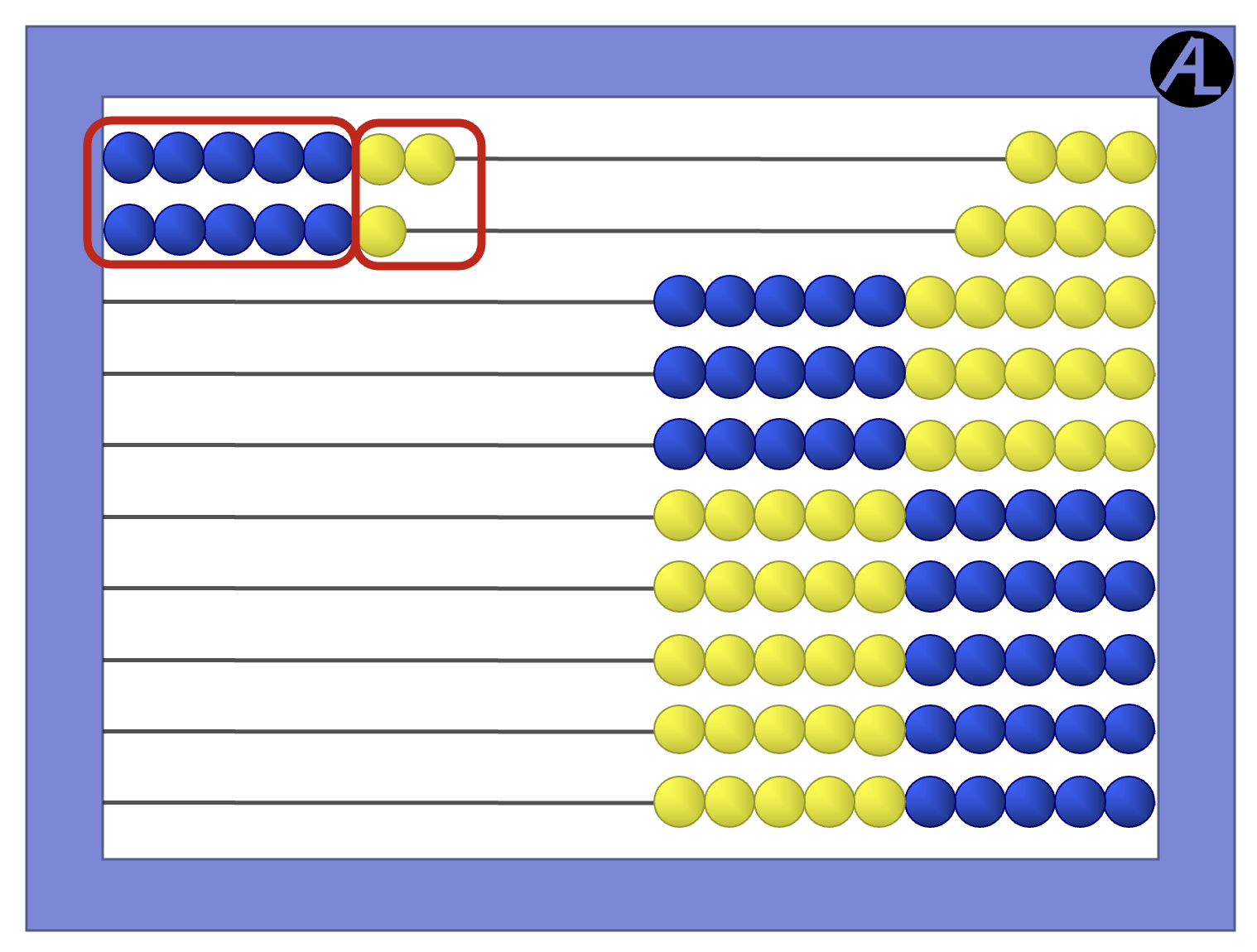
The answer becomes: 10 and 3 more, which is 13.
Children love this strategy because it feels like solving a puzzle. Instead of memorizing dozens of facts, they learn one simple pattern that works again and again.
Another favorite is the Complete the Ten Strategy.
Consider 8 + 8.
Take 2 from the second 8 and give it to the other 8, making it a 10.
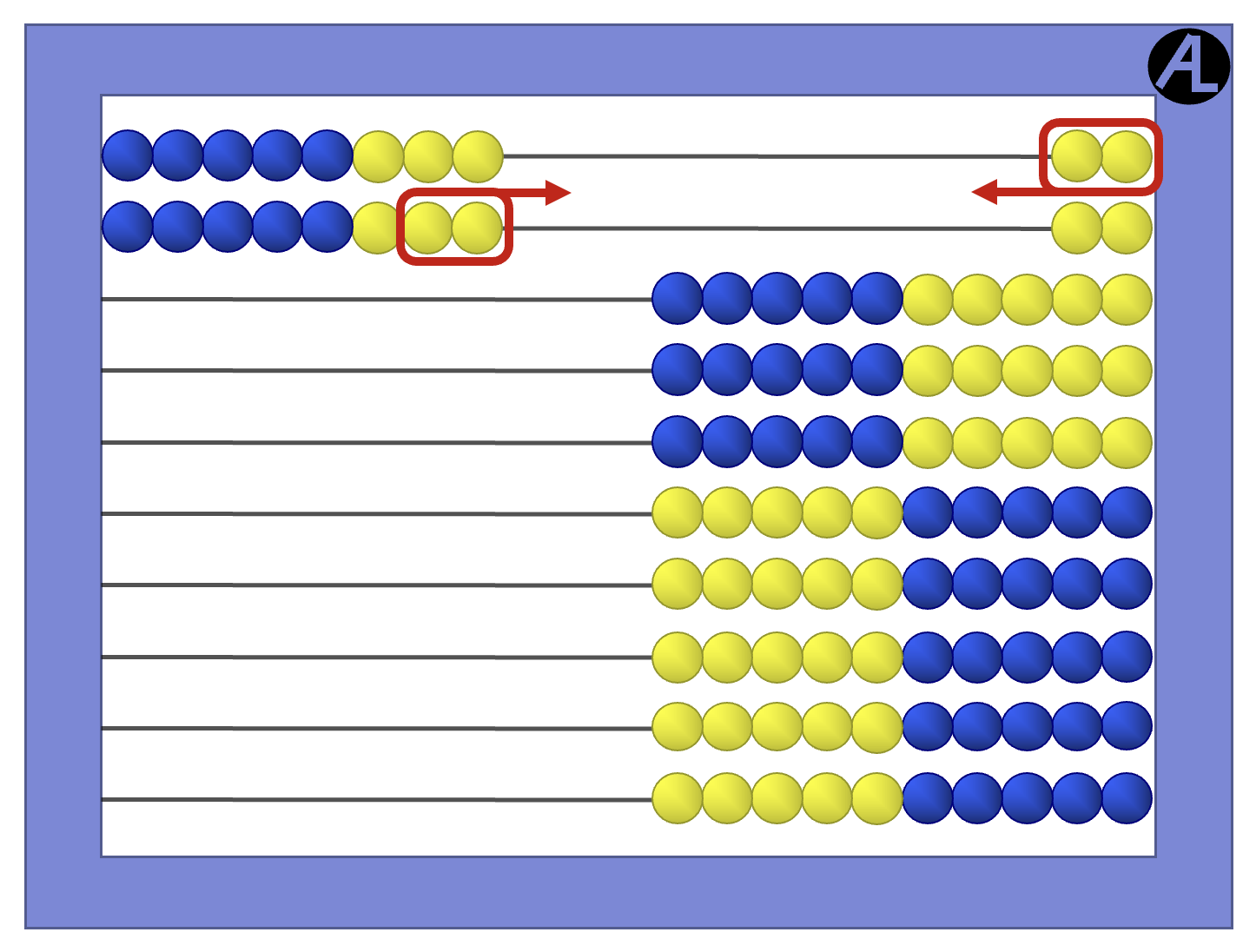
Now you have: 10 + 6 = 16.
This strategy helps children develop flexibility with numbers while reinforcing the importance of tens in our base-ten number system.
What About Flash Cards?
This may surprise some parents, but Dr. Cotter does not recommend relying on flash cards and timed tests to teach math facts.
Why?
Because mathematical thinking involves a different mental process than rote memorization. Children who learn only through memorization often struggle when they encounter unfamiliar problems. On the other hand, children who learn strategies can reason their way to answers, even when they forget a fact.
This is especially important for students who learn differently. Many struggling learners find visualization and strategy-based approaches far more accessible than memorization drills. RightStart’s emphasis on visualizing quantities and using mathematical strategies helps build understanding that lasts.
That doesn’t mean children never become fluent with facts. They absolutely do.
The difference is that fluency develops from understanding rather than pressure and drill.
As Dr. Cotter points out, a child is considered to know a fact if they can answer it within two or three seconds. They do not need instantaneous recall. A brief moment to think through a strategy is perfectly acceptable mathematical behavior. And for children who learn differently, three to five second is an acceptable time.
Building Confident Mathematicians
At RightStart Mathematics, our goal has never been simply helping children get the right answer. We want them to understand why the answer makes sense.
When children learn to visualize quantities, recognize patterns, and apply strategies, they develop true number sense. They become problem-solvers instead of fact-reciters. They gain confidence because they know they can figure things out.
And perhaps most importantly, they discover that mathematics is not about speed.
It’s about thinking.
That’s a lesson that will serve them far beyond their elementary math facts.