
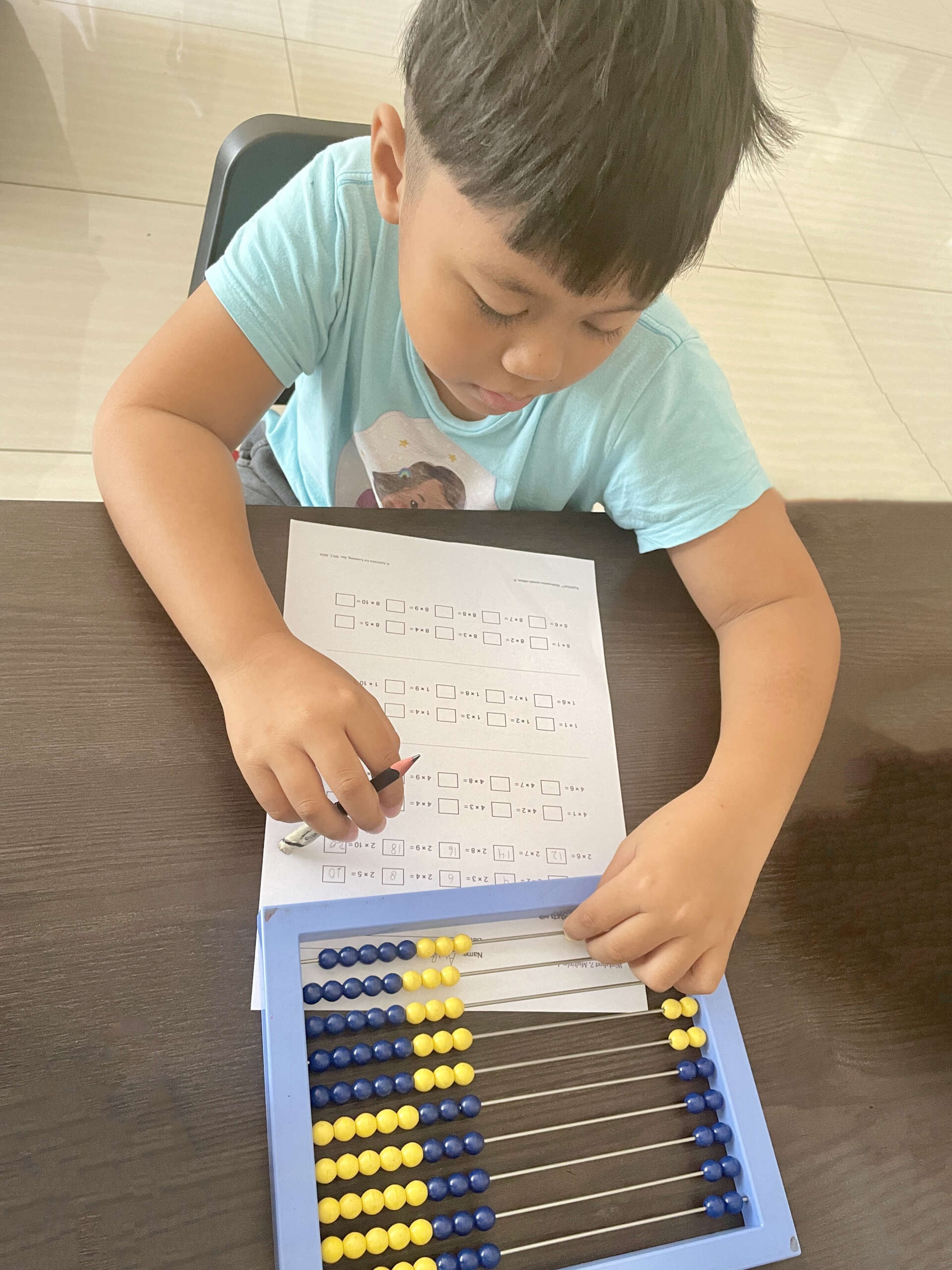
For many children, multiplication becomes the point where math suddenly feels harder.
There are 100 multiplication facts to learn. Or 144 if you’re going up to 12 × 12. And let’s not even talk about how many there are when memorizing to 15 × 15!
Then come flash cards, timed tests, and repeated drills. For some children, the facts eventually stick. For others, multiplication becomes a frustrating exercise in trying to remember which answer goes with which numbers.
But what if children didn’t have to memorize multiplication facts one at a time?
What if they need to see the math?
At RightStart Math, we know children learn multiplication best when they understand what the numbers mean, visualize the quantities, and develop strategies for finding the answers. Memorization will come later—after the understanding is in place.
And for many families, this approach can turn multiplication from a daily struggle into something that actually makes sense.
Start With What Multiplication Means
Before asking a child to memorize 6 × 3, make sure they understand what 6 × 3 means.
An array is a wonderful way to do this.

Three rows of six allow children to actually see the quantities they’re multiplying:
6 × 3 = 18
Instead of seeing six and three as two numbers that somehow produce 18, children can see three groups of six:
6 + 6 + 6 = 18
The Cotter Abacus is especially helpful because children can build and see multiplication problems. The beads are organized in groups of five and ten, making quantities easy to recognize, without having to count one bead at a time.
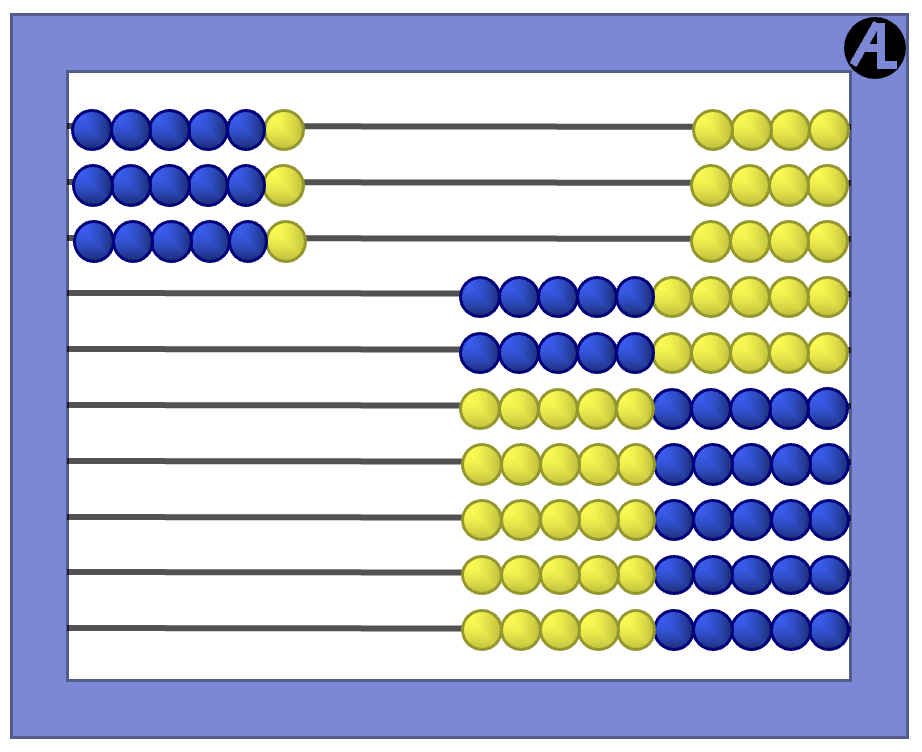
That visual structure helps children understand multiplication rather than simply memorize an answer.
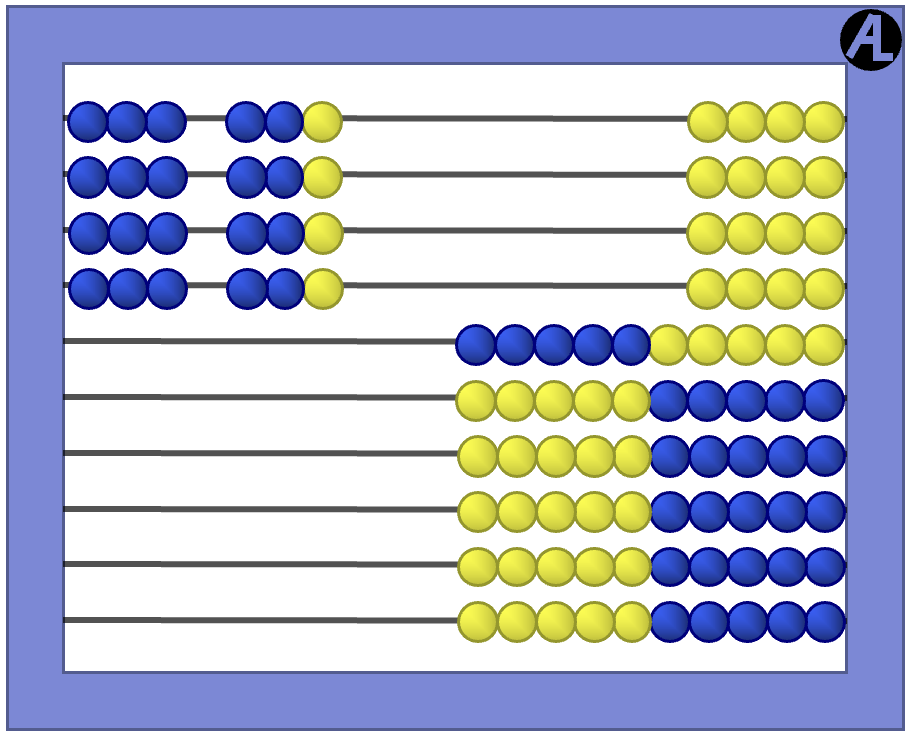
Let’s consider 6 × 4.
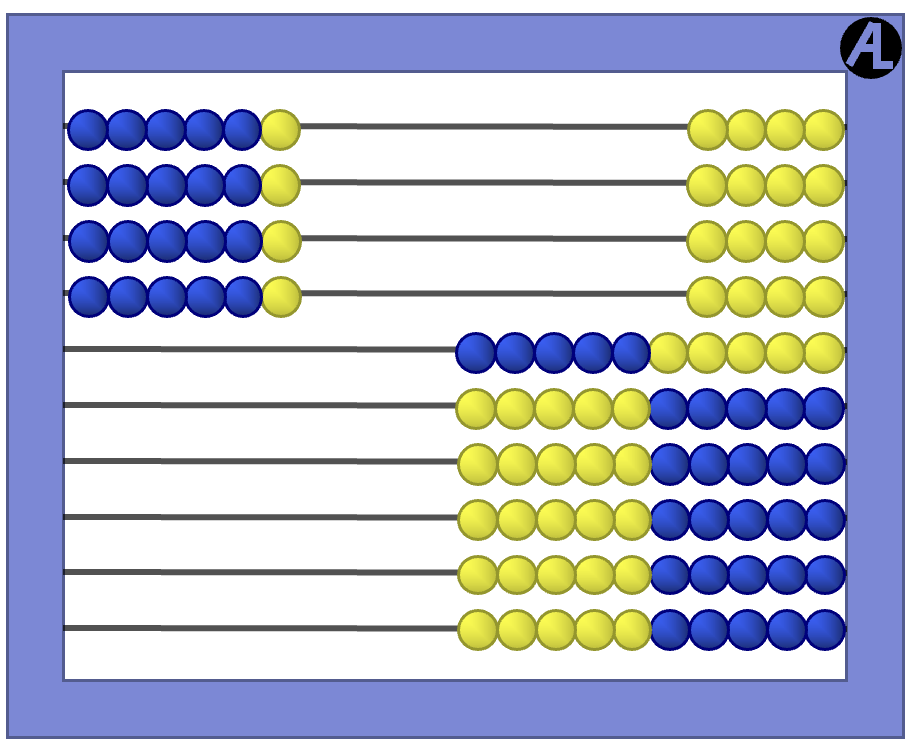
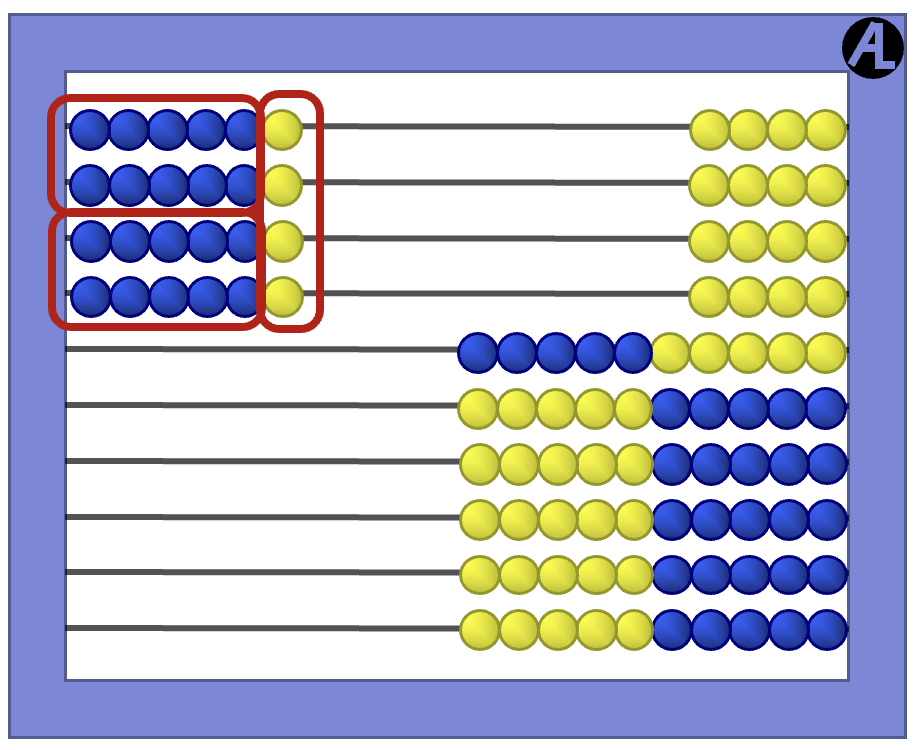
When the child enters four groups of six, the abacus reveals two groups of ten and four more:
6 × 4 = 10 + 10 + 4 = 24
Use What Your Child Already Knows
Here’s where multiplication gets really interesting.
Children don’t need to learn every fact as though it were completely new. They can use facts they already know to figure out facts they don’t know yet.
Suppose your child knows:
3 × 4 = 12
Now ask about:
6 × 4
Six is the same as 3 doubled.
So if we’re looking for 6 × 4, it would be the same as 3 × 4 doubled.
3 × 4 is 12.
12 doubled is 12 + 12, which is 24.
Therefore:
6 × 4 = 24
Or consider 9 × 3.
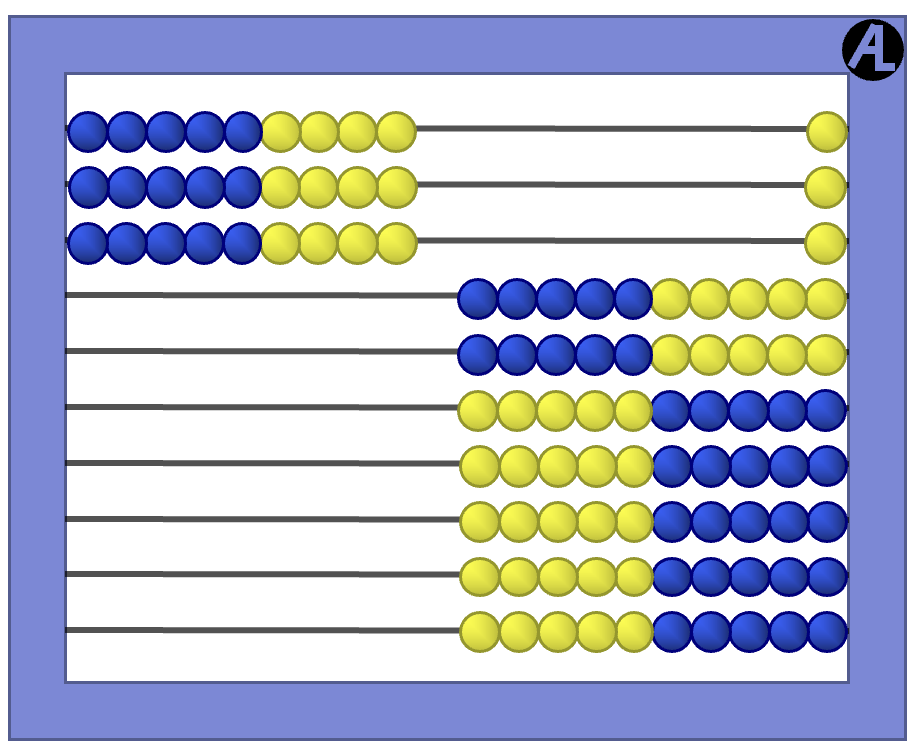
Instead of memorizing it, think about 10 × 3:
10 × 3 = 30
But 9 is one less than 10, so take away one group of three:
30 − 3 = 27
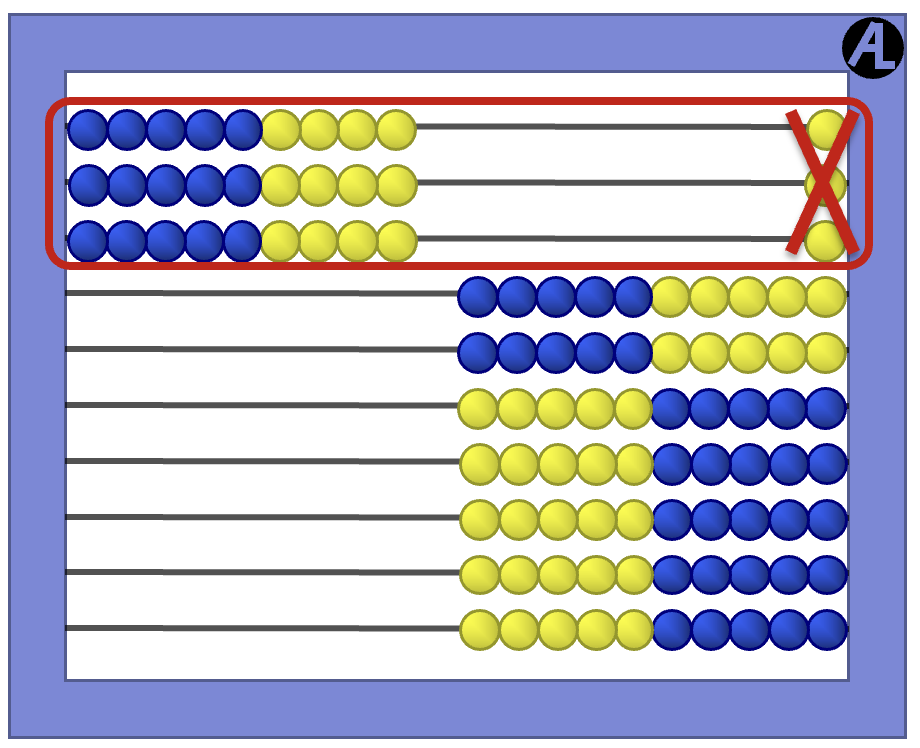
9 × 3 = 27
That’s not a trick. It’s a strategy based on understanding numbers.
Strategies are powerful because they give children a way to find an answer even when they don’t immediately remember it.
Look for Relationships and Patterns
Multiplication facts aren’t a random collection of numbers. They’re connected!
The 2s are all even.
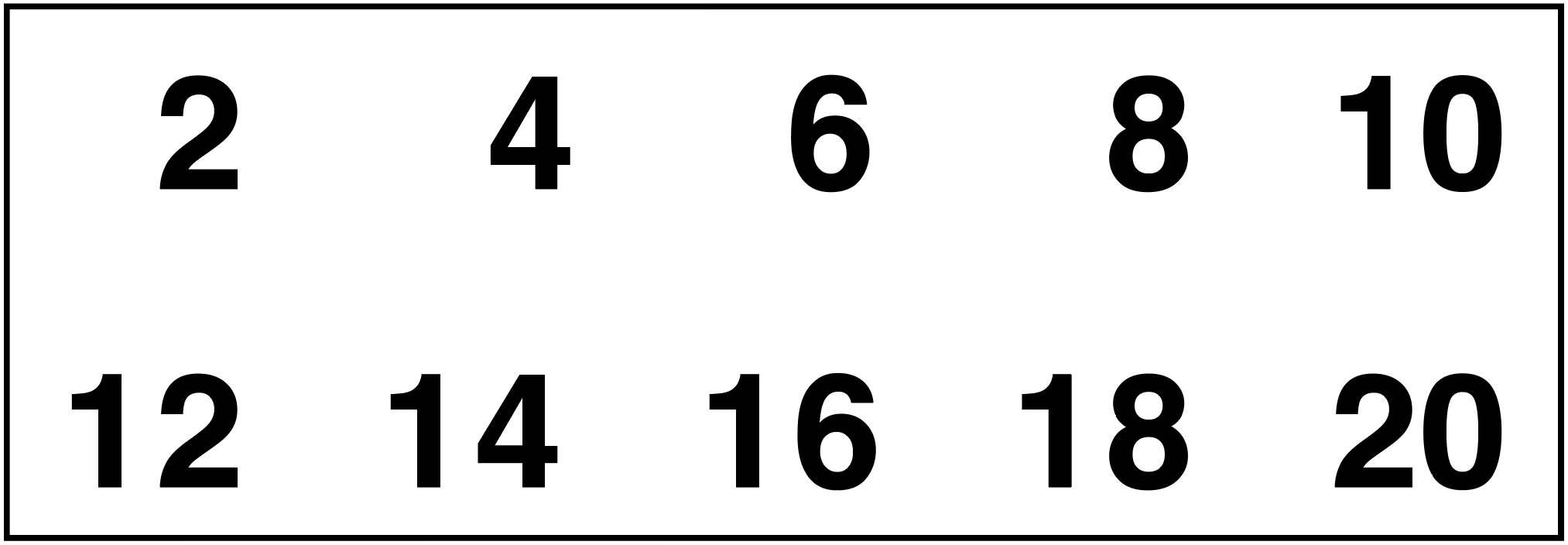
The multiples of 5 end in 0 or 5.
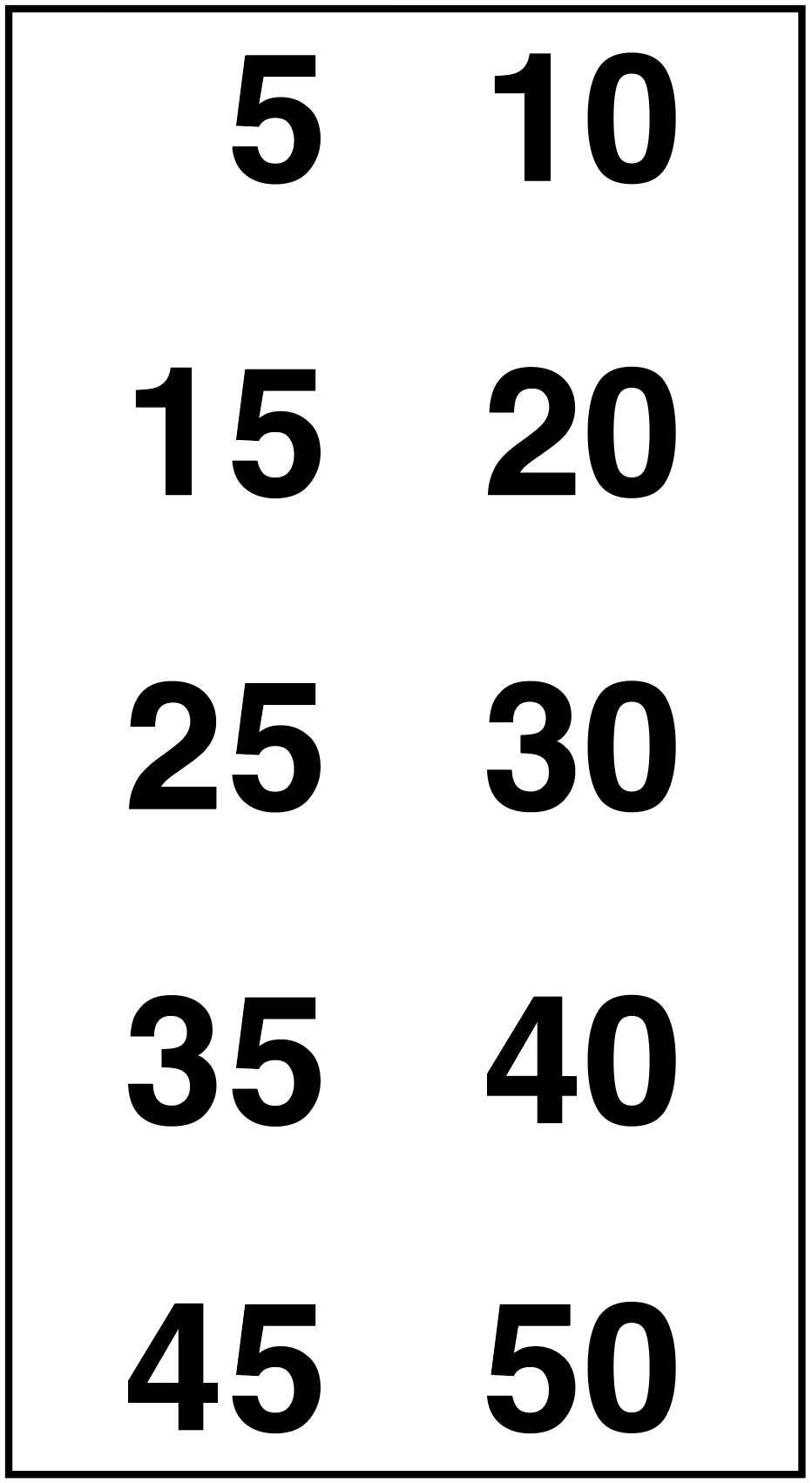
The multiples of 10 all end in 0s. Then tens are in order.

The products in the 9s facts have their own interesting patterns.
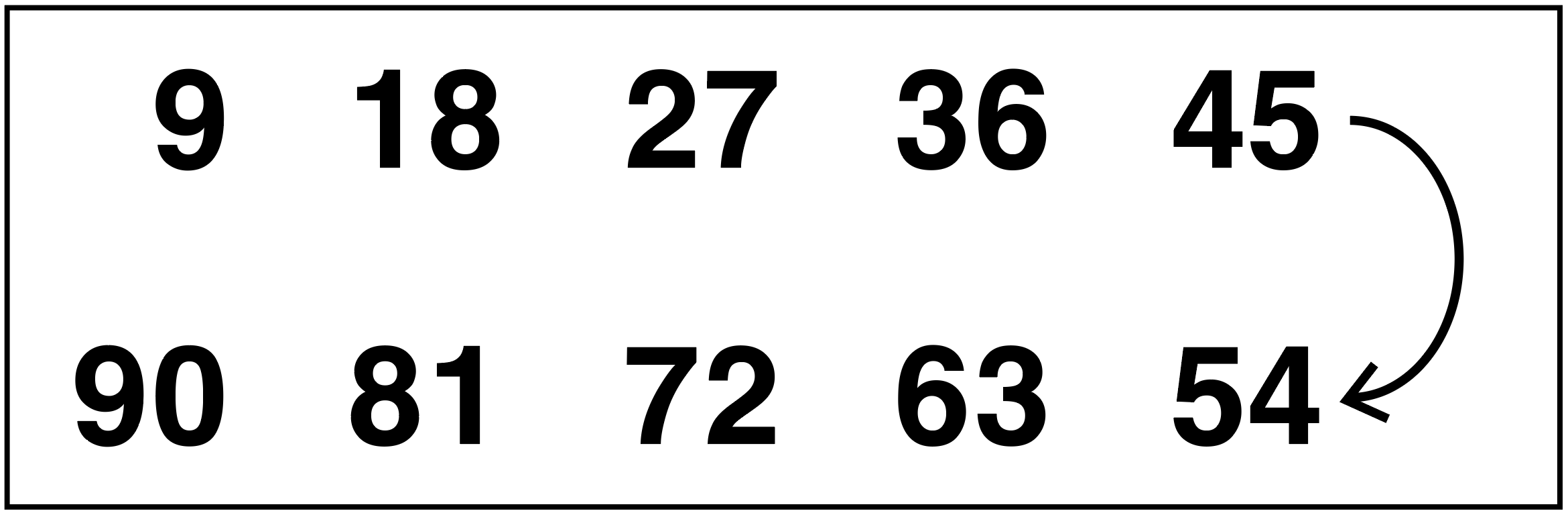
These patterns aren’t intended to become another collection of tricks to memorize. Instead, they help children see relationships between numbers, see the patterns, and develop mathematical thinking.
The goal is for a child to be able to look at a multiplication problem and think, “I know how I can figure this out.”
That’s a lot less overwhelming than looking at a multiplication chart and thinking, “I have to memorize all of that?!?”
Practice Without the Pressure
Once children understand the strategies, they need practice. But practice doesn’t have to mean sitting at the kitchen table with a stack of flashcards.
Play a game instead!
Games provide repetition without making repetition feel like drill.
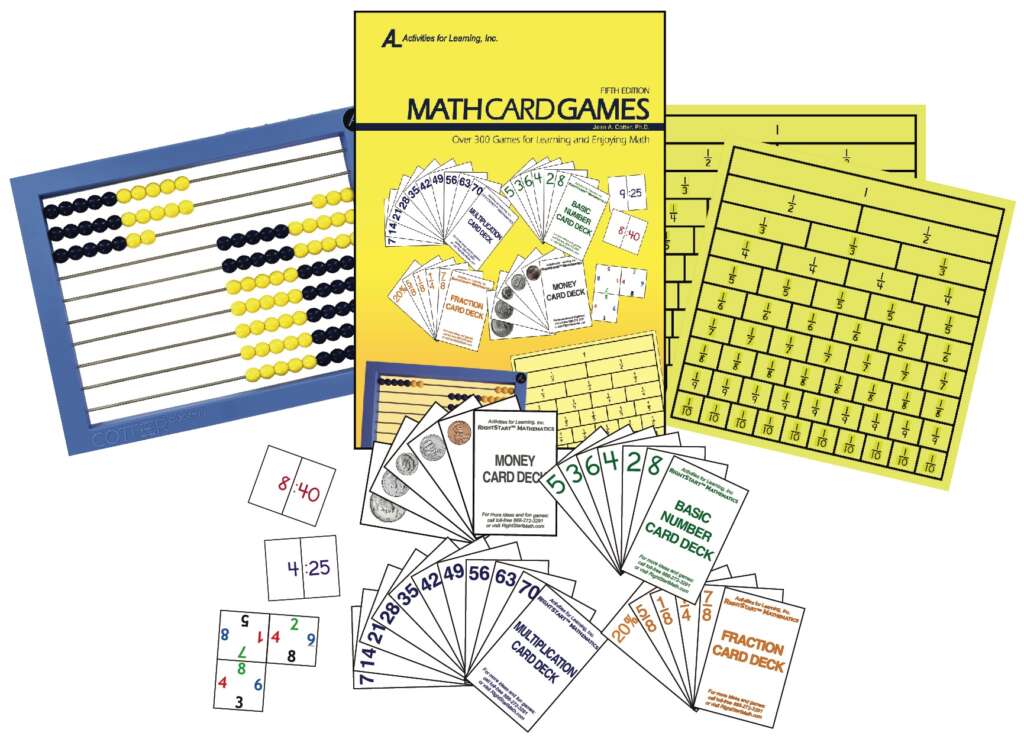
RightStart Math Card Games give children opportunities to practice multiplication while they’re playing, thinking, comparing, and solving problems. And because games are social, siblings can play together, too. An older child gets additional practice while helping a younger child learn.
That’s one of the things we love about math games: children can practice a skill over and over without feeling like they’re doing the same problem over and over.
And if your child forgets a fact during a game? That’s okay. Encourage them to use a strategy to figure it out.
The goal isn’t to see how quickly they can blurt out an answer. The goal is to help them become increasingly comfortable with the facts.
Give Your Child a Way to Find the Answer
One of the biggest gifts you can give a child learning multiplication is the confidence to think, “I can figure this out.”
Maybe they don’t immediately remember 7 × 8.
That’s okay.
They might know 5 × 8 = 40 and 2 × 8 = 16.
Put those together:
40 + 16 = 56
So:
7 × 8 = 56
That’s mathematical thinking!
Over time, these strategies become mental images. Eventually, your child may no longer need the abacus or even consciously think through the strategy. The answer simply comes to mind.
But that fluency grew from understanding.
When Your Child Needs More Help
Sometimes a child needs more than occasional practice. Maybe multiplication has already become frustrating, or perhaps your child needs a little more time and repetition before the ideas become comfortable.
That’s where the RightStart Multiplication & Division Tutoring Kit can help.
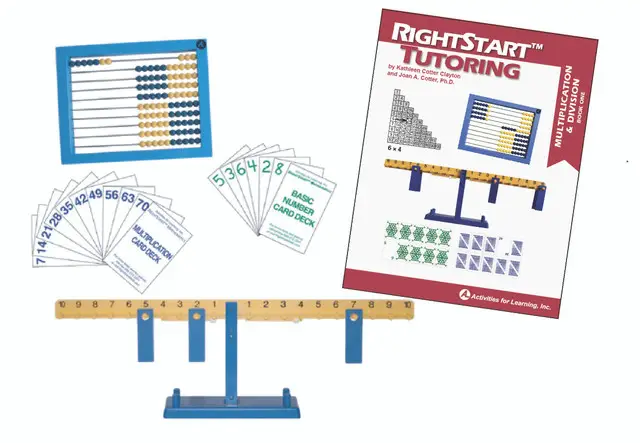
The tutoring kits provide a structured, hands-on approach to building multiplication and division understanding through visual models, strategies, and games. They can be used for additional practice, tutoring, or simply giving your child a different path to understanding when the traditional approach hasn’t worked.
And if you’re looking for an easy way to add more enjoyable practice to your homeschool, take a look at the Math Card Games Kit. With hundreds of games and activities, you’ll have plenty of ways to practice math without turning your homeschool into a worksheet marathon.
Ready to Make Multiplication Make Sense?
If multiplication has become a battle in your homeschool, take a step back.
You don’t have to memorize everything tomorrow.
Start with understanding.
Build the quantities. Look for patterns. Connect new facts to facts your child already knows. Use the Cotter Abacus to make the mathematics visible. Play games. Encourage strategies. And give your child permission to think.
Because multiplication isn’t really about memorizing a long list of facts.
It’s about seeing relationships between numbers and knowing what to do when you don’t immediately know the answer.
That’s the RightStart way—and it’s a way of teaching multiplication that can help children not only learn their facts, but understand the mathematics behind them.
Give your child the tools to understand, apply, and enjoy mathematics!