
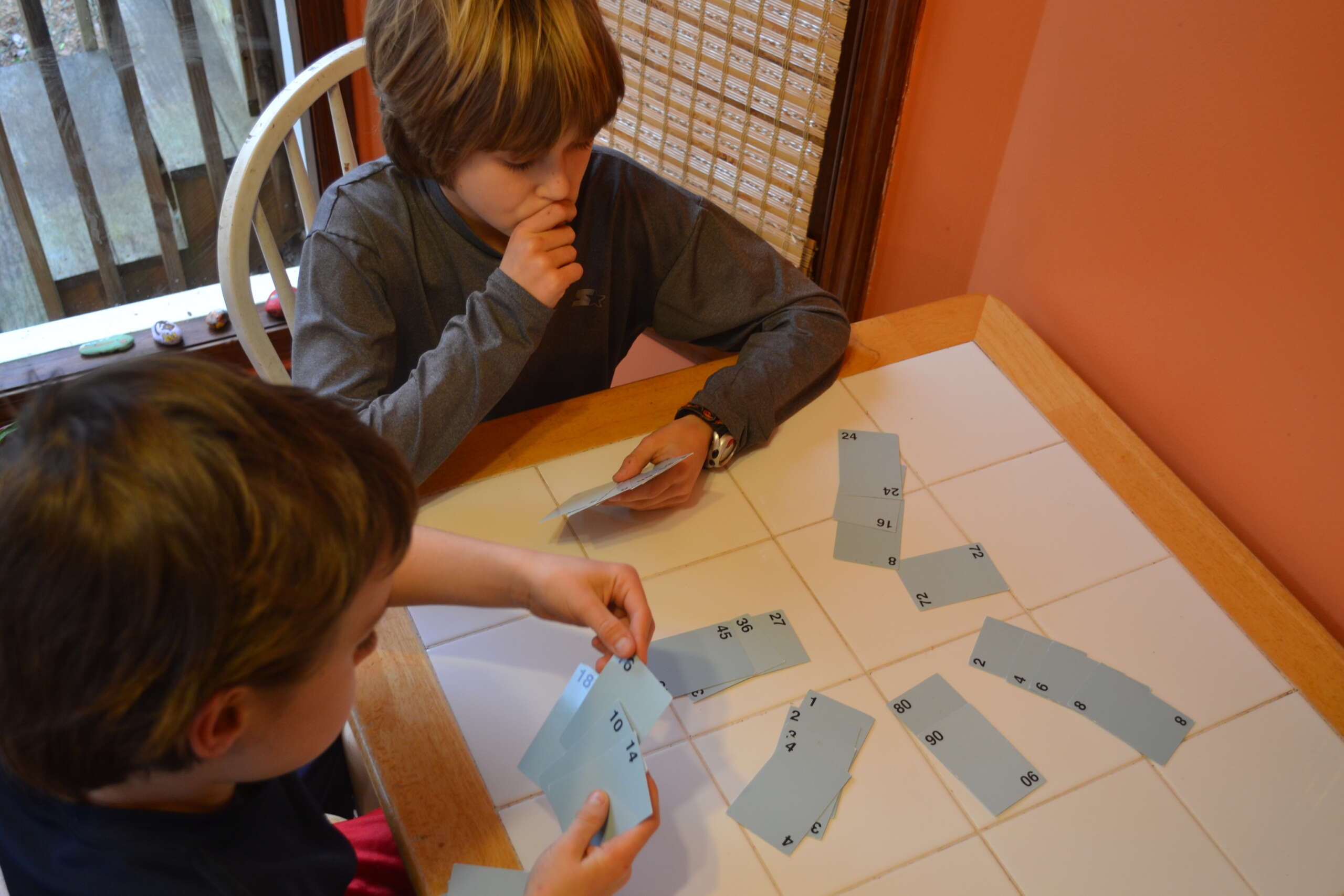
“Has your child memorized the multiplication facts yet?”
It’s a question many homeschool parents hear—and often worry about. For generations, we’ve been told that success in math depends on memorizing facts as quickly as possible. Flashcards, timed tests, and endless repetition have become the standard approach.
But what if memorization isn’t the only path? More importantly, what if it isn’t even the best path?
At RightStart Math, we believe there is a significant difference between memorizing math facts and knowing math facts. That distinction can make all the difference in a child’s confidence, understanding, and long-term success in mathematics.
Getting the Right Answer Is Not the Whole Story
Imagine two kids who are asked, “What is 8 × 7?”
The first kid instantly replies, “56.” When asked how they knew the answer, they shrug and say, “I memorized it.”
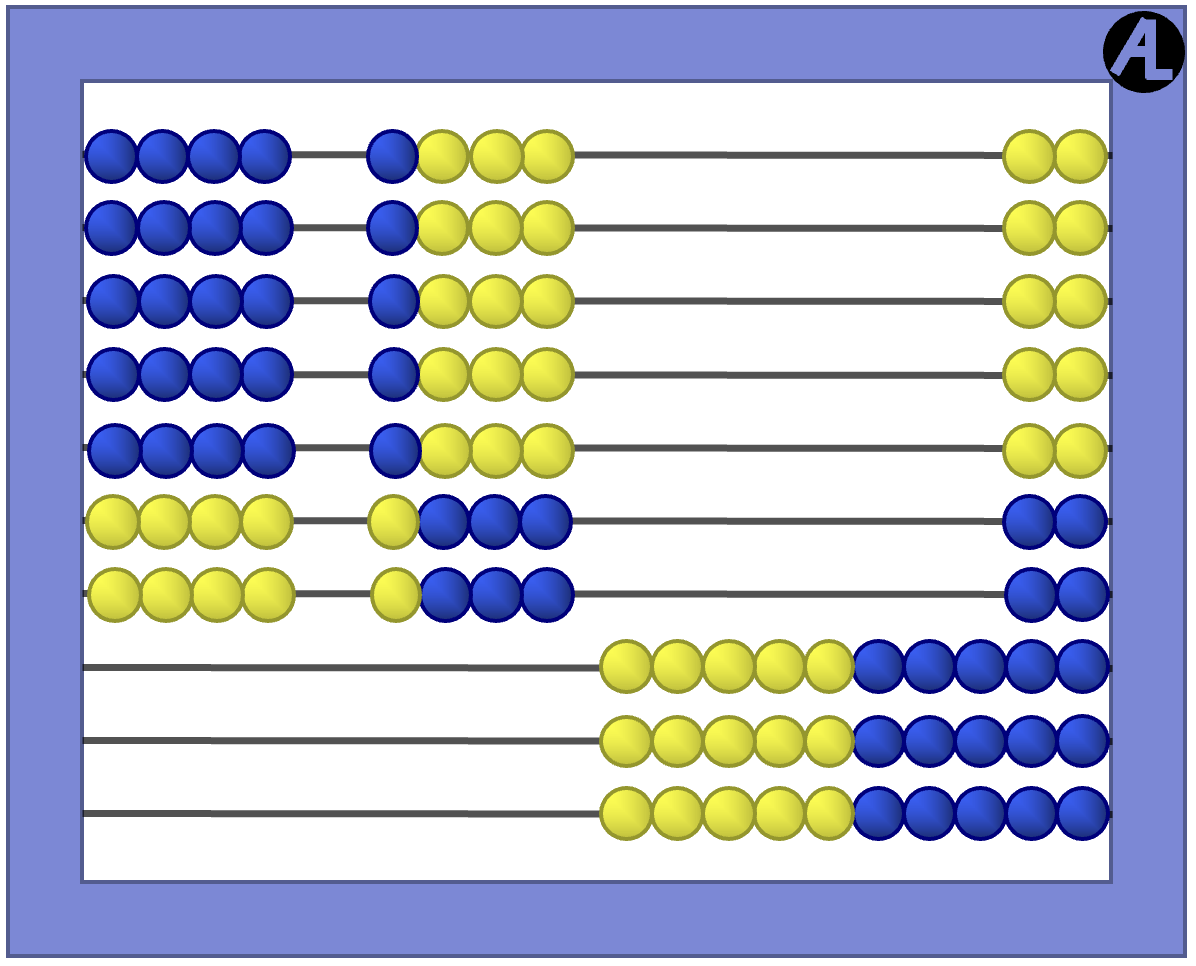
The second kid pauses for a moment, pictures the Cotter Abacus in their mind, sees 8 taken 7 times,
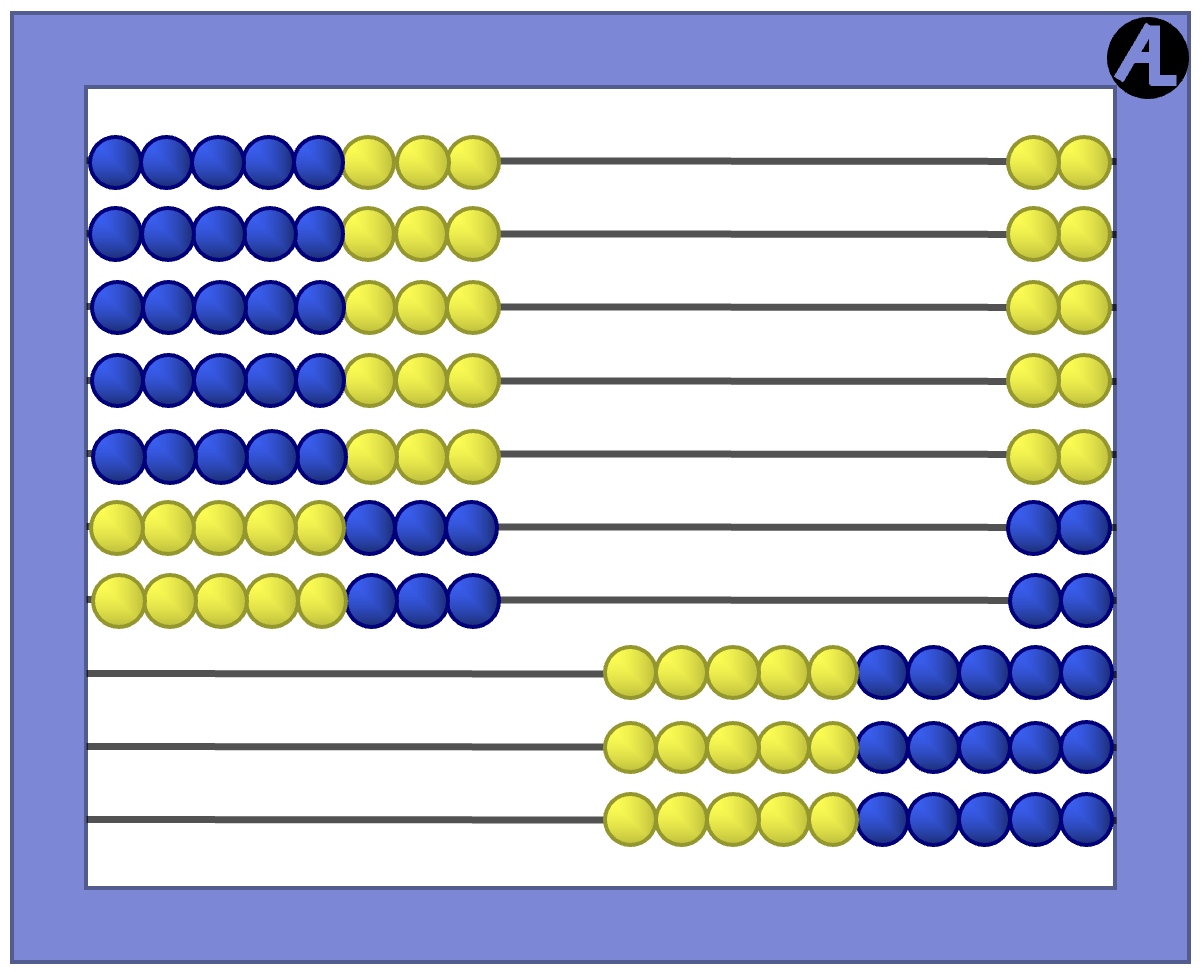
or thinks, “I know 4 × 7 is 28, so double that gives me 56.” They arrive at the same correct answer.
Which kid understands multiplication better?
Many people would assume the first kid is more proficient because the answer came faster. But the second kid is actually demonstrating something much more valuable: mathematical thinking.
This second kid understands relationships between numbers. They know strategies. They can reason their way to an answer. And perhaps most importantly, they have a way to solve the problem even if their memory momentarily fails.
What If a Child Cannot Memorize?
This question is personal for me.
I have one child who simply could not memorize multiplication facts the traditional way. We tried repetition. We practiced. We reviewed. Yet the facts just wouldn’t stick.
Does that mean he couldn’t learn multiplication?
Absolutely not.
Instead of depending on memorization alone, he learned the strategies taught in RightStart Math. He learned to visualize quantities on the Cotter Abacus. He recognized number patterns. He broke difficult facts into easier ones. He thought about what multiplication means and how to work with it, instead of trying to recall isolated answers.
Eventually, he knew his multiplication facts—not because he had memorized every one by rote, but because he understood how numbers worked together and how to manage them to find the solutions.
He could consistently arrive at the correct answer because he had learned to think mathematically.
Isn’t that what we really want for our children?
Understanding Creates Lasting Learning
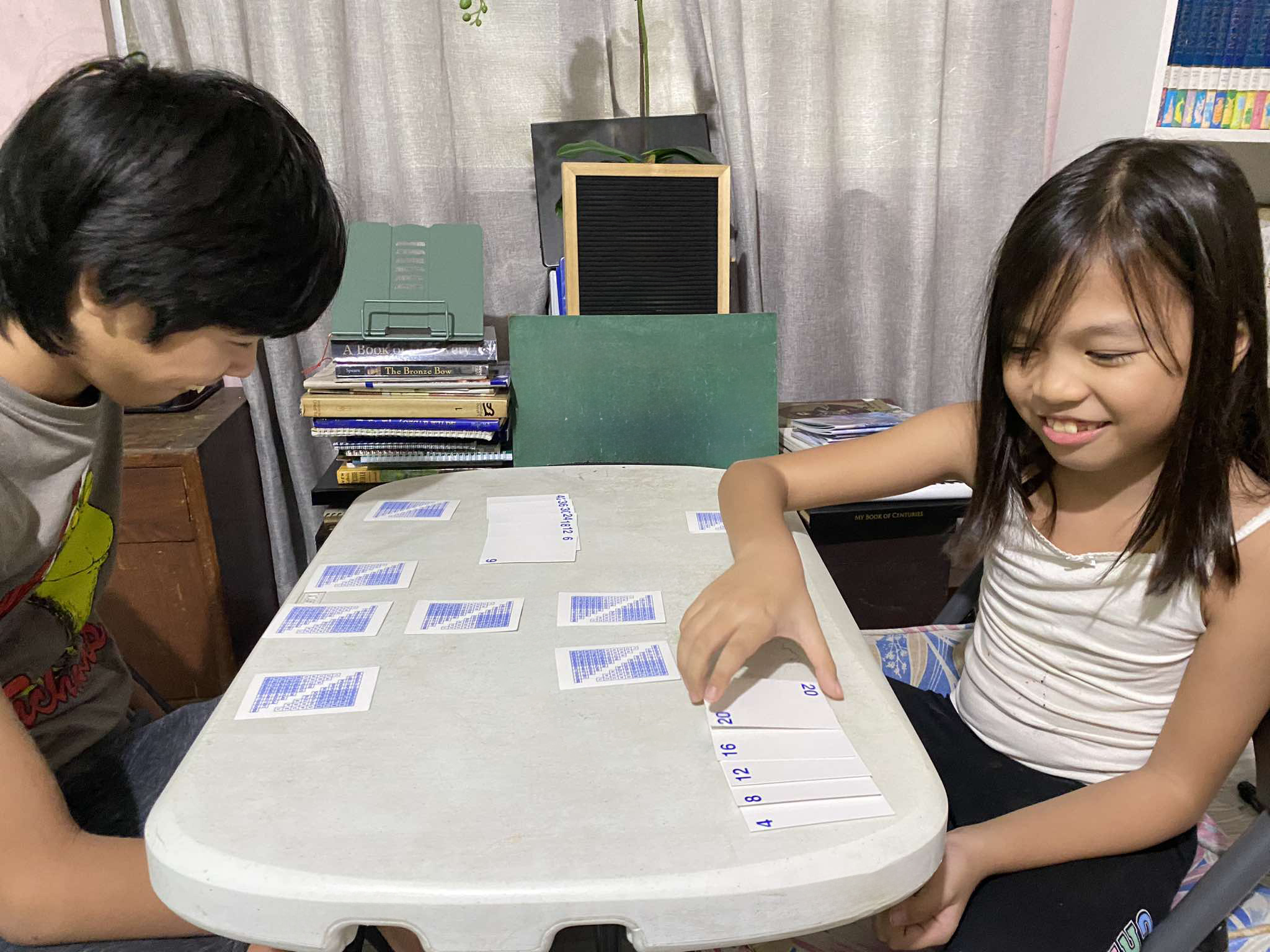
One of the core principles of RightStart Math is that understanding should come before memorization.
Children first build strong number sense through visualization, hands-on experiences, and meaningful strategies. They learn to see quantities instead of counting every object. They recognize patterns. They discover relationships between numbers.
As these experiences accumulate, something remarkable happens.
The facts become familiar. They become known.
Children often discover they no longer need to consciously use the strategies because repeated use has naturally led to automatic recall. The memorization develops almost as a byproduct of understanding rather than through endless drills and worksheets.
This approach mirrors how we learn many things in life. We don’t memorize how to drive to the grocery store. We understand the path, the street layout, through repeated experience until navigating becomes automatic.
Math facts can develop the same way.
Visualization Is a Powerful Tool
Visualization is one of the most overlooked skills in mathematics.
When students learn with the Cotter Abacus, they aren’t merely moving beads. They’re building mental images that become permanent references.
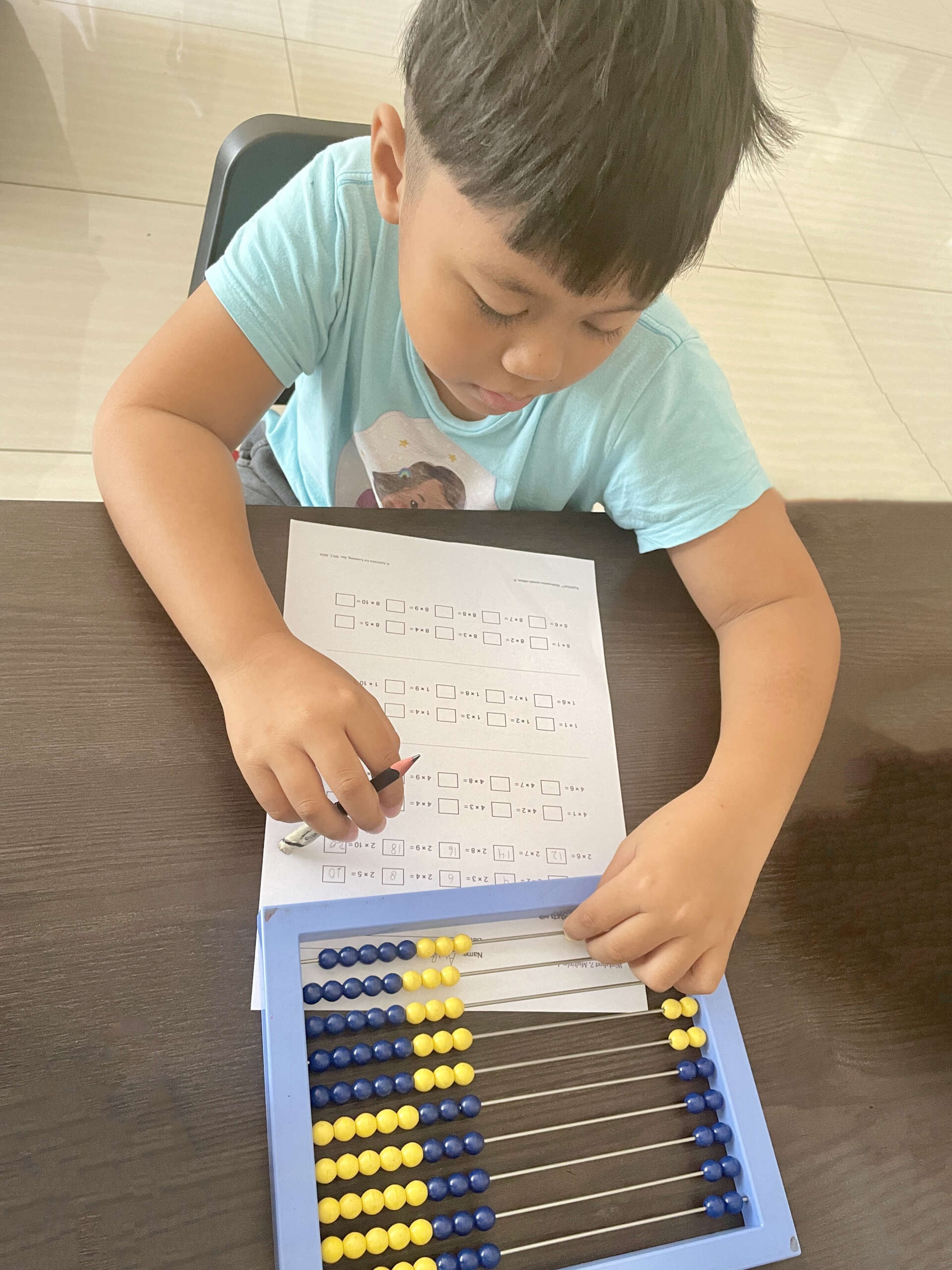
Over time, children no longer need the physical abacus because they can picture it in their minds.
This mental image allows them to solve problems efficiently without guessing or counting.
Instead of desperately searching their memory for an answer, they have a dependable strategy to lead them to the answer.
Visualization transforms mathematics from a collection of disconnected facts into a network of meaningful relationships.
Even Adults Benefit from Strategies
I experienced this myself.
Like many adults, I learned multiplication entirely through rote memorization. For years, I believed that was simply how multiplication was learned. I struggled with the 6s, 7s, and 8s; they were the “impossible” facts for me.
Now, thanks to the strategies I’ve learned through RightStart Math, I simply think through the problem. I visualize the quantities. I use number relationships. Very quickly, I arrive at the correct answer. My understanding is the underlying source of my skills.
That’s a powerful kind of confidence.
Fluency Is More Than Speed
Today’s educational conversations often focus on fluency.
Unfortunately, fluency is sometimes reduced to one measurement: speed.
But true mathematical fluency includes much more.
A fluent mathematician understands why an answer is correct. They can solve problems in multiple ways. They recognize patterns. They make connections between ideas. They recover quickly when they forget something because they have strategies to rely on.
Speed often comes naturally after understanding has been established.
When speed is the focus and understanding is set aside, students may appear successful for a while, but they frequently struggle later with fractions, algebra, and higher-level mathematics because they never developed a deep understanding of numbers.
We must build on understanding. Then speed will follow.
The Goal Is Mathematical Thinkers
Our goal should never be to produce children who simply recite answers.
Our goal is to develop thinkers.
Children who understand mathematics are more confident when facing unfamiliar problems. They are less intimidated by challenging concepts because they know how to reason through them. They become flexible problem-solvers instead of students who panic the moment they can’t instantly remember a fact.
That’s why RightStart Math emphasizes visualization, strategies, and understanding from the very beginning.
Will many students eventually memorize their multiplication facts?
Absolutely.
But they will know much more than the answers. They’ll understand why the answers make sense and how to find them if they ever forget.
And for children who struggle with memorization, that’s life-changing.
Because success in mathematics isn’t about having the fastest memory.
Success in math is about having the confidence and understanding to think your way to the answer.