
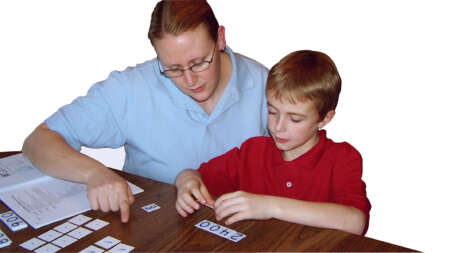
One of the most common questions we hear from parents considering RightStart Math is this:
“Can I really teach this?”
Maybe you’ve looked through a sample lesson and noticed the abacus, the games, and the manipulatives. Perhaps you’ve read comments online saying it’s “different” from traditional math. You might even be wondering if you need to be a math expert to make it work.
The short answer?
No. You don’t need to be a math expert to teach RightStart Math.
In fact, many parents who were nervous at first now say that teaching RightStart Math has become one of the most enjoyable parts of their homeschool day.
It’s Different… And That’s Actually a Good Thing
Let’s be honest. If you learned math in a traditional classroom, RightStart Math will feel different.
Instead of memorizing facts through drills, children learn strategies.
Instead of counting everything one by one, they learn to subitize—that is, recognize quantities instantly—and think in groups of fives and tens.
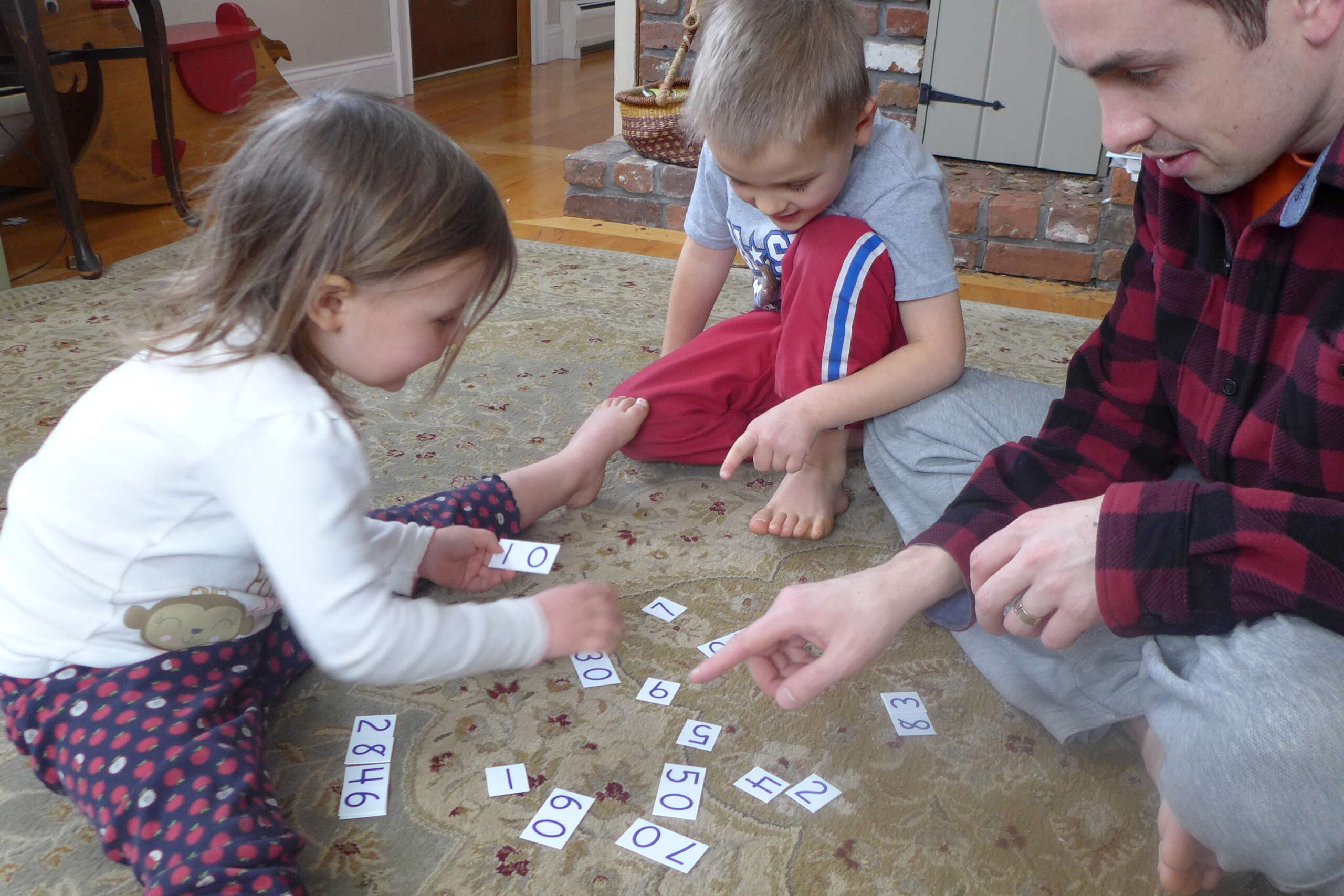
Instead of pages filled with repetitive worksheets, lessons include games, hands-on activities, conversations, and visual models that help children truly understand what they’re doing. The Cotter Abacus serves as the primary teaching tool, helping children develop strong number sense from the very beginning.
RightStart Math emphasizes visualization, understanding, and problem solving rather than rote memorization.
For many parents, that means they are learning a new way to think about mathematics right alongside their children.
And that’s perfectly okay.
You Don’t Need to Be Good at Math
Here’s some encouraging news.
Many RightStart families begin the program because the parents struggled with math in school.
Some parents admit they dreaded teaching math because they never really understood it themselves. Others worried they would pass that anxiety on to their children. Or some simply “get” math, but don’t know how to explain it to their child.
But something interesting happens.
As they teach the lessons, the parents begin having their own “aha!” moments.
Parents often comment that concepts finally make sense because the curriculum explains the why, not just the how. Debbie, a longtime member of the RightStart team, shared that she experienced countless “eureka!” moments while teaching her own children because she was finally understanding mathematics in a completely different way.
It’s not unusual to hear parents say, “Why wasn’t I taught this way?”
The Teacher’s Manual Does the Heavy Lifting
One misconception is that parents have to invent lessons or figure out how to explain difficult concepts.
Actually, the teacher’s manual walks you through the lesson step by step.
You’ll know:
- what to say
- what questions to ask
- which activities to do
- when to use the Cotter Abacus
- when to play a game
- when to move on
You’re not expected to create the lesson yourself. You’re simply guiding your child through carefully designed activities that build understanding one concept at a time.
For parents who are new to the program, this structure is incredibly reassuring.
Yes, There Is a Learning Curve
It’s only fair to mention that there is a small learning curve.
The abacus is probably unlike anything you’ve used before.
The games are different from flashcards.
The language used to teach place value may sound unfamiliar.
The first few lessons can feel like learning a new teaching style.
But parents say that after a couple of weeks, everything begins to click.
What initially seemed unusual soon becomes natural—and many families find they wouldn’t want to teach math any other way.
Games Really Are Part of the Curriculum
Some parents wonder if they can skip the games.
The games aren’t busy work or rewards after the lesson.
Games are the practice. They are the review.
The games are the application for what the child has learned. They are the reason for the child to learn their facts.
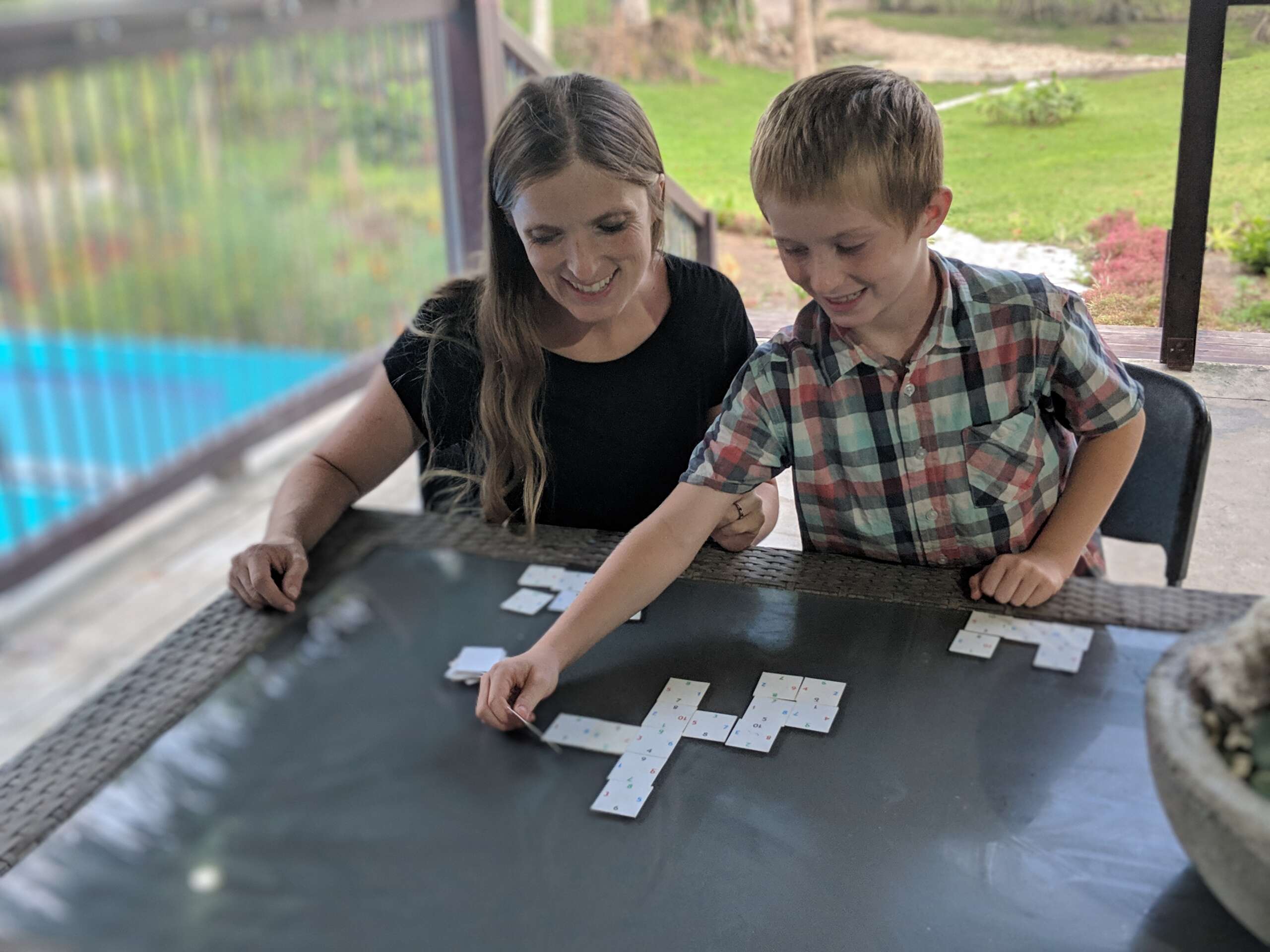
Instead of endless worksheets, children master facts while playing enjoyable card games that encourage strategy, thinking, and repeated exposure without becoming tedious. This approach helps children retain facts while keeping math enjoyable.
Many parents report that these games become family favorites. Children often ask to play them long after the lesson is over.
Games are one of the greatest strengths of RightStart Math.
You’re Never Teaching Alone
Another reason parents find RightStart easier to teach than expected is the supportive community surrounding it.
The RightStart Facebook communities are filled with experienced parents who happily answer questions, share teaching tips, celebrate victories, and encourage newcomers. And the RightStart Math customer service team is ready to help and support you.
Whether you’re wondering about lesson pacing, placement, or how to explain a particular concept, chances are someone else has asked the same question and we have the answer ready and waiting for you.
There are also free Overview Videos to help you week by week. Debbie, Rachel, and Teresa will guide you through the lessons, helping you as the year goes along.
Parents frequently comment that they appreciate having resources that support both the curriculum and the homeschooling journey.
The Rewards Far Outweigh the Effort
Does teaching RightStart require parent involvement?
Yes.
This isn’t a curriculum that you hand to your child and walk away from, especially in the first few years. It was intentionally designed to be interactive, with parents guiding discussions, asking questions, and engaging in hands-on activities.
But ask longtime RightStart families whether it’s worth the investment of time, and you’ll hear remarkably consistent answers.
They talk about children who:
- understand math instead of memorizing it
- solve problems mentally
- enjoy math lessons
- develop confidence
- think mathematically in everyday life
Many parents also discover that they, too, become more confident teaching math.
And if you’re short on time, RightStart Math is partnering with Nicole the Math Lady with video lessons! This will be available in Fall 2026 for Level C, Level D, Level E, and Level F.
So… How Hard Is It?
If you’re expecting RightStart Math to look like the math you learned in school, it will be different at first. But then, you’ll likely discover that it is not harder—it is simply different. It’s better!
The curriculum is carefully designed by Dr. Cotter. The lessons are well supported. The games make practice enjoyable. The community is welcoming. And the teacher’s manual gives you the guidance you need every step of the way.
Thousands of homeschooling parents who once wondered, “Can I really teach this” now confidently answer that question with a smile.
Absolutely.
And many will tell you it’s one of the best educational decisions they’ve ever made—for both their children and themselves.